When Design Heals
Inside clinic spaces where architecture and art meet the people
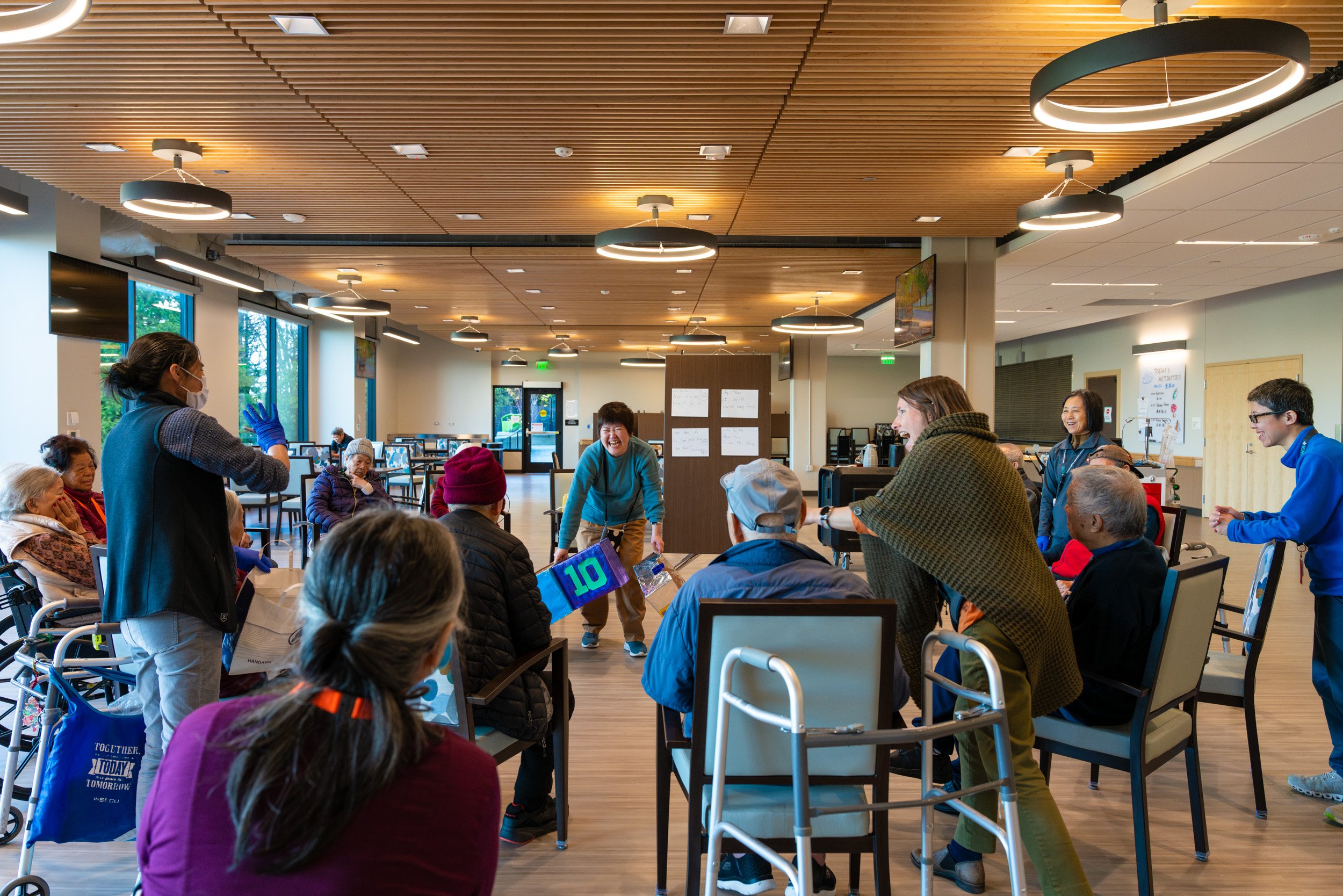
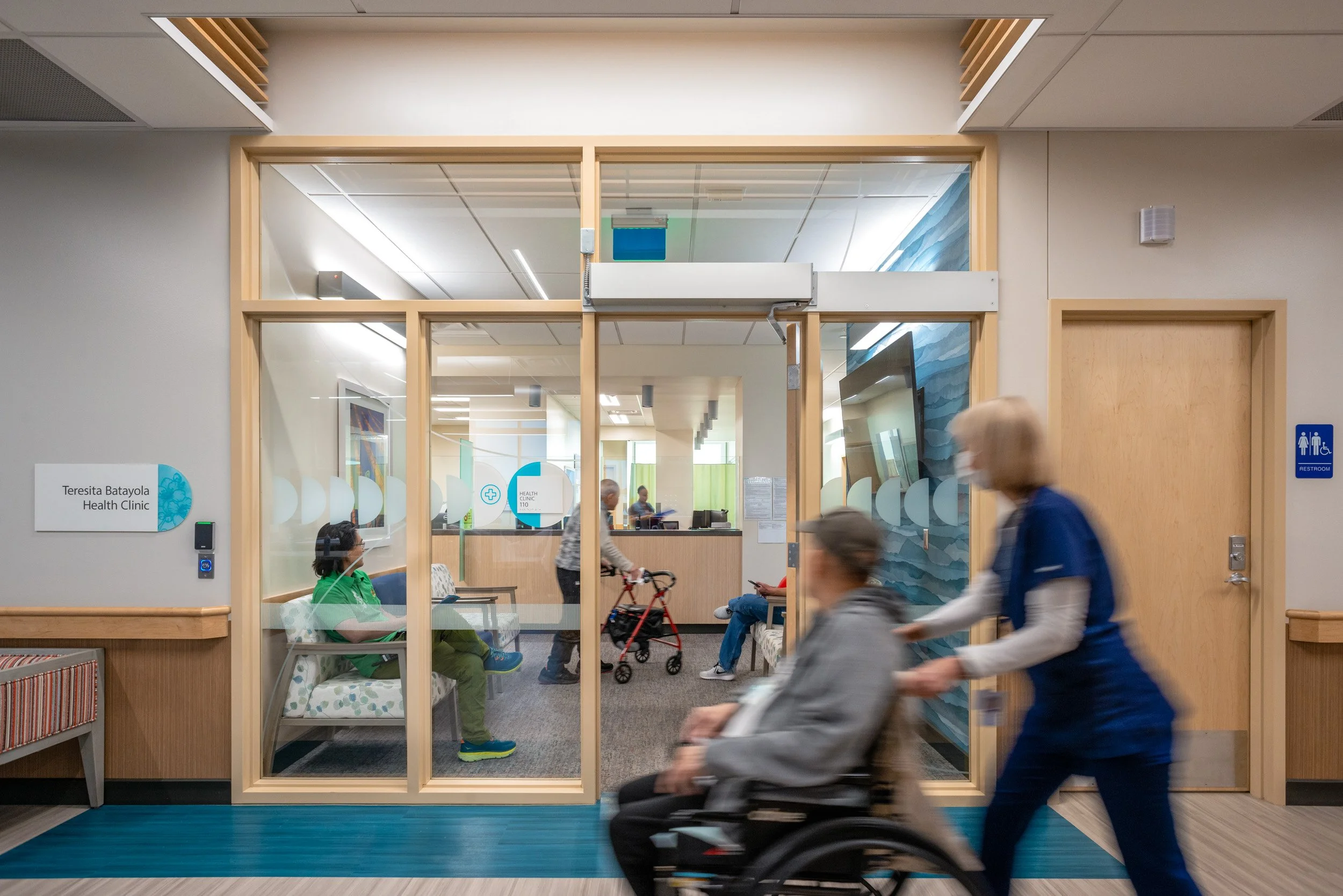
Healthcare architecture is some of the most purposeful design work being done today. The decisions made at the drawing board, where light enters, how a corridor feels, what a waiting room asks of the person sitting in it, land differently when the person inside is scared, exhausted, or in pain. The best healthcare architects design for that person first. As much as we'd love everything to be sharp, black, and sleek, our interiors must match our goal. We are not just building monuments but spaces that have purpose. That is good design. Part of documenting that honestly means looking past the wide shot.
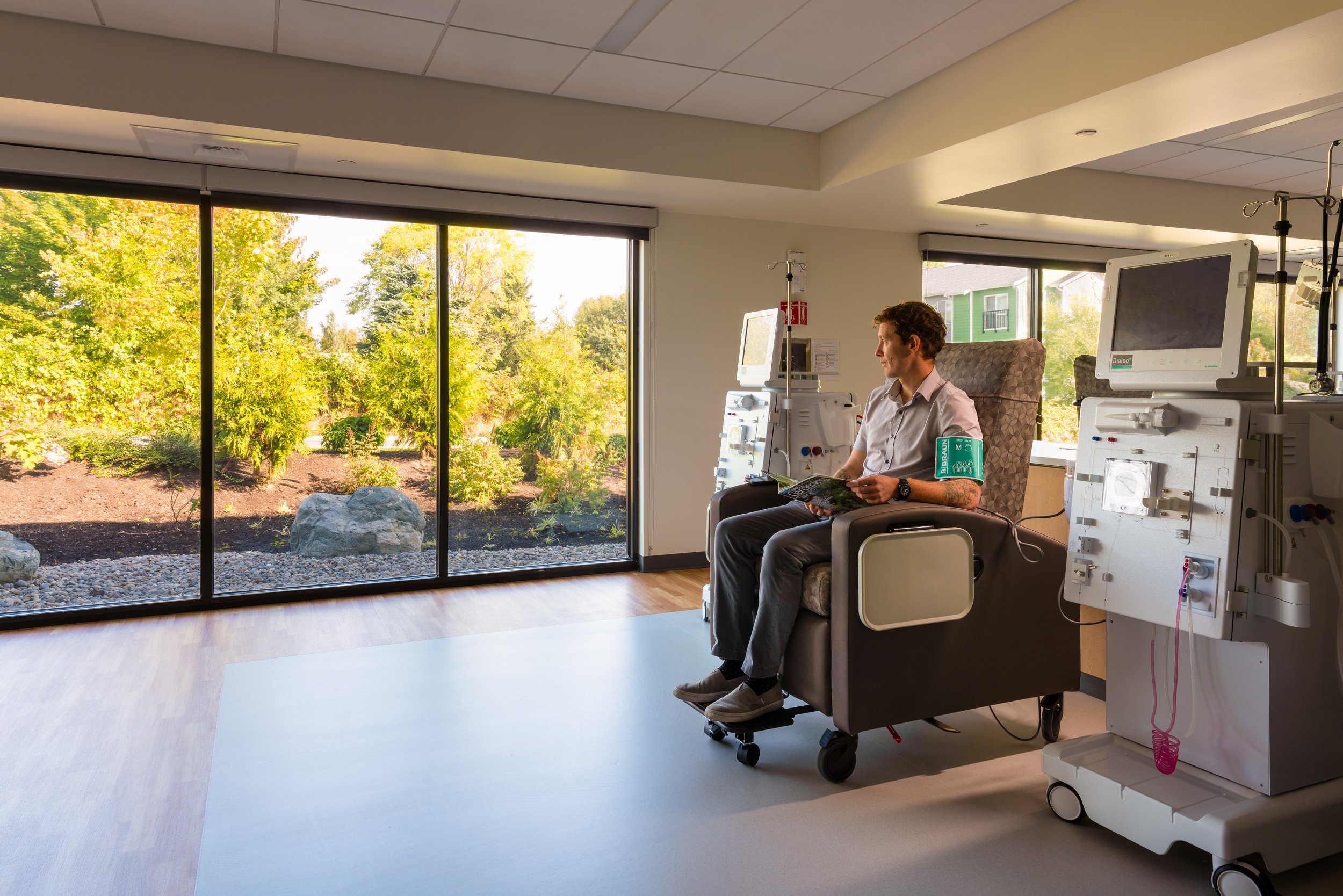
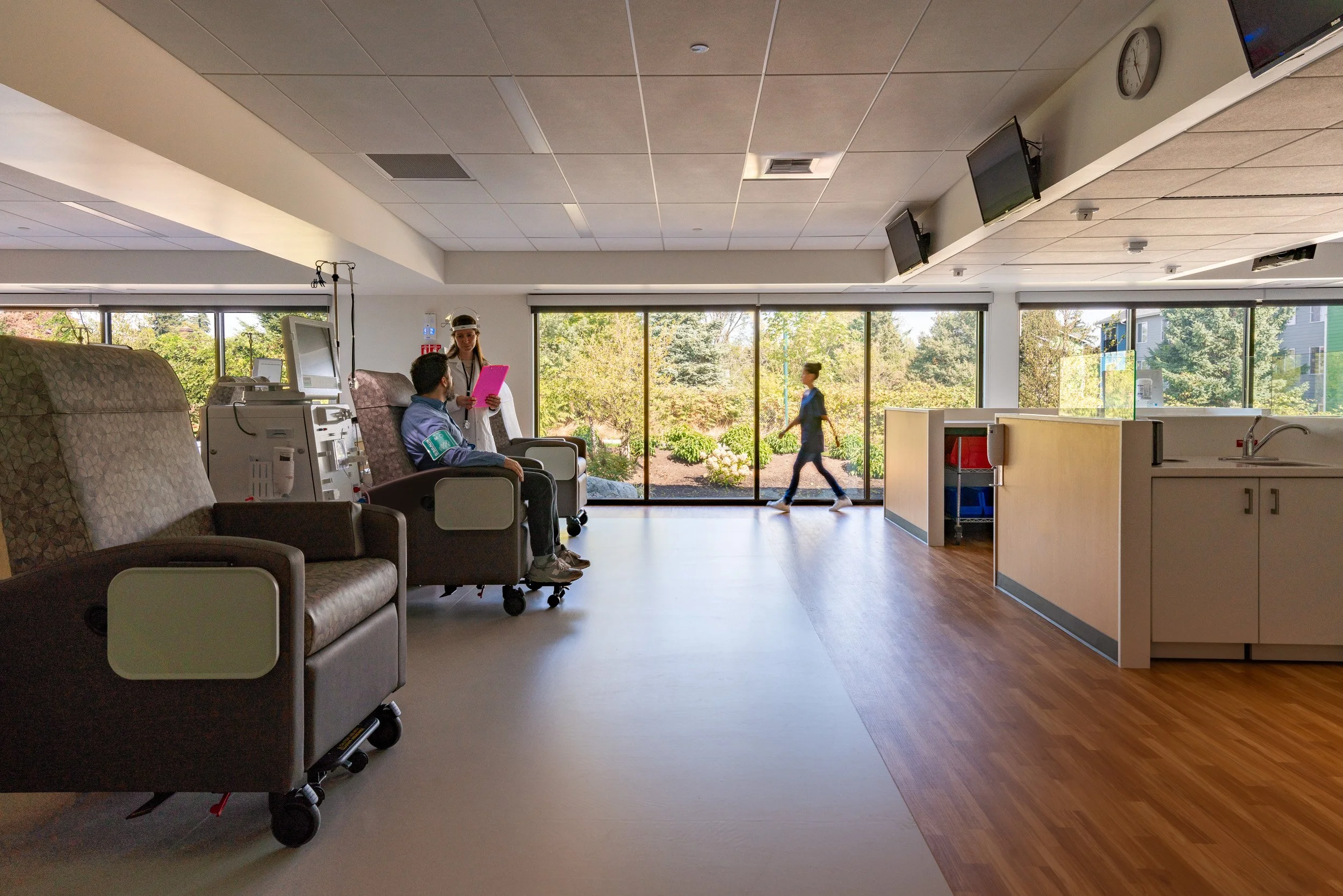
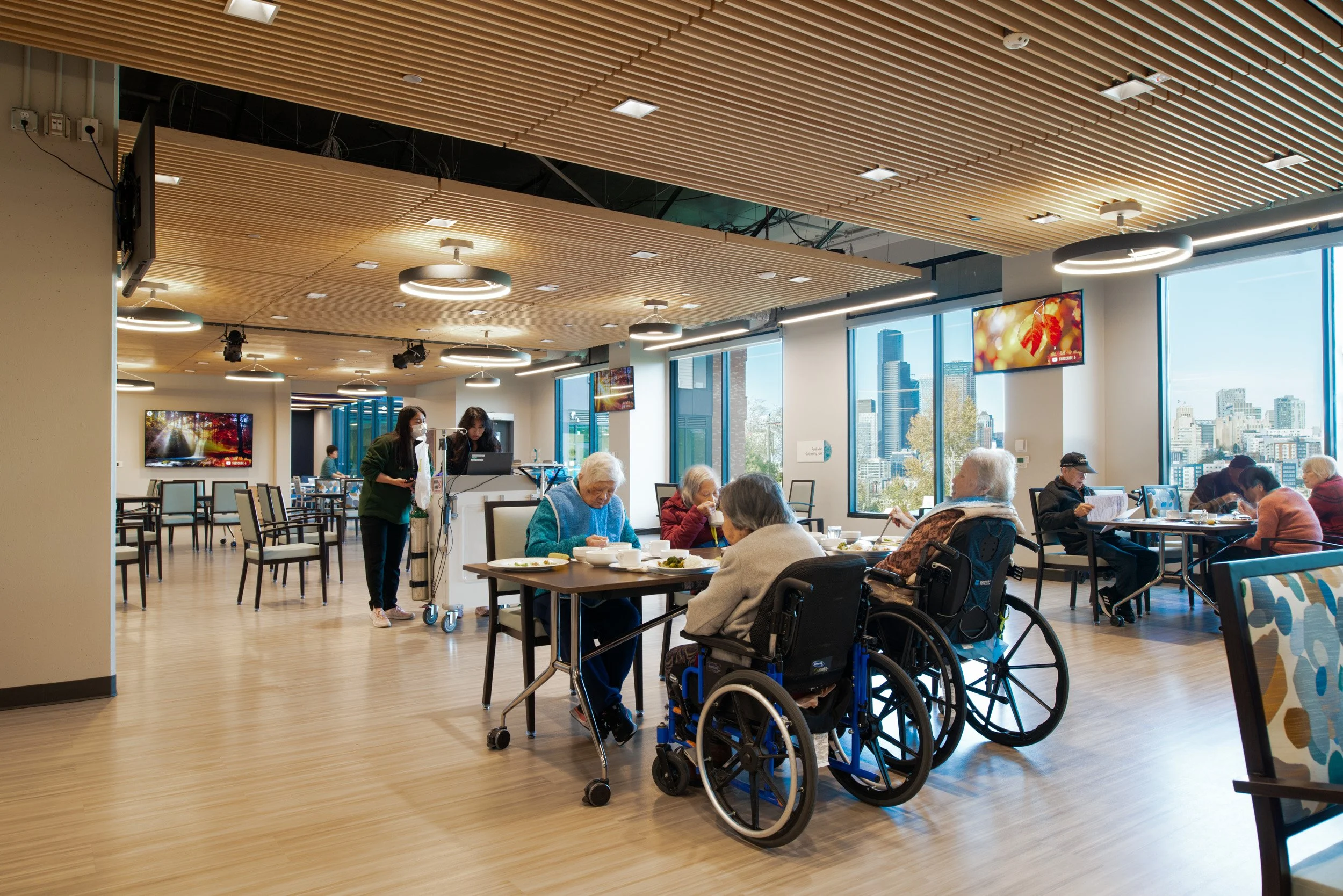
The images that stop people are not always the ones that show the whole room. Often they are the ones that show what the room does to a person. That is why I focus heavily on shoots that involve people. Not just for scale, but to show how the space works with the people it was designed for.
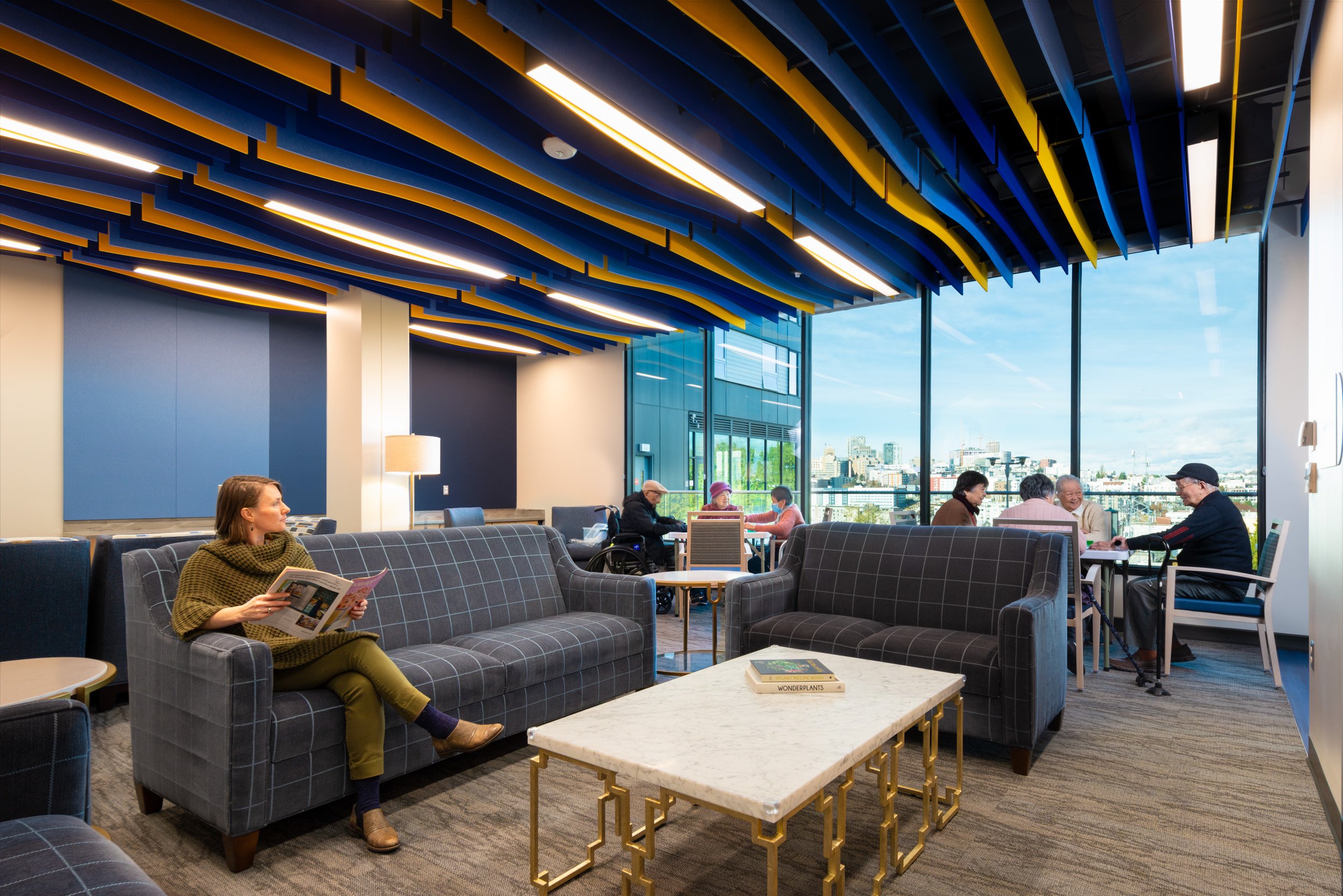
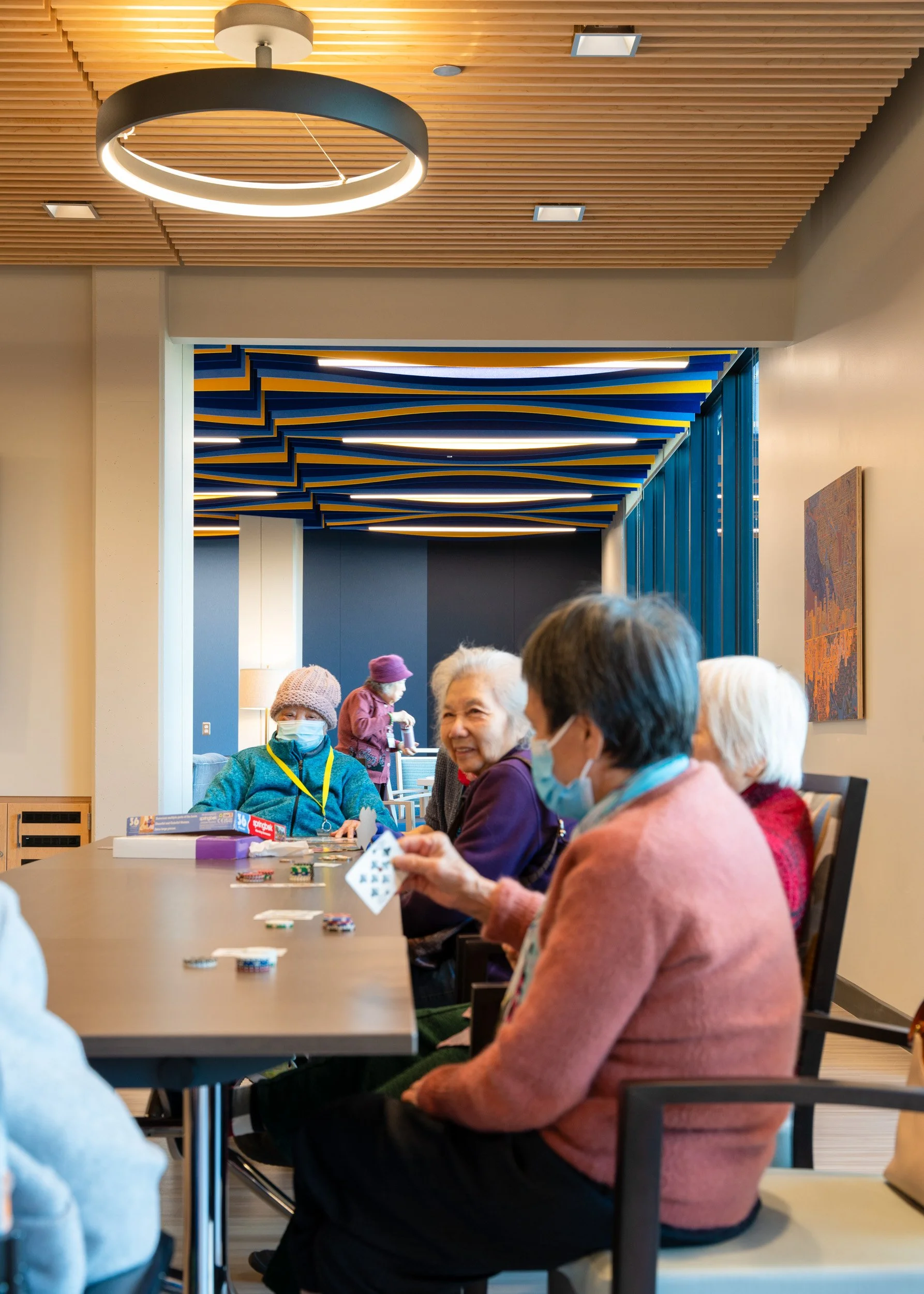
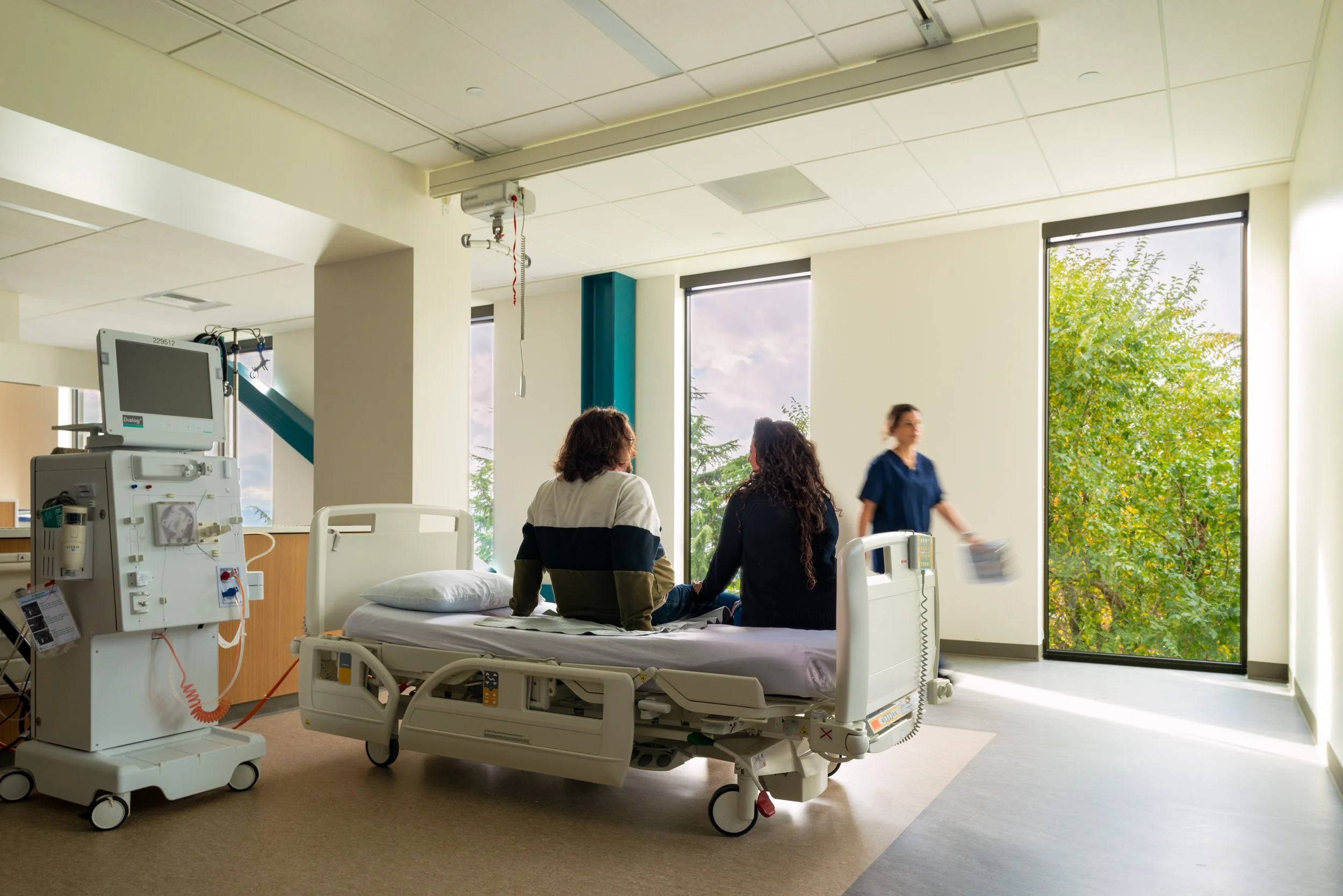
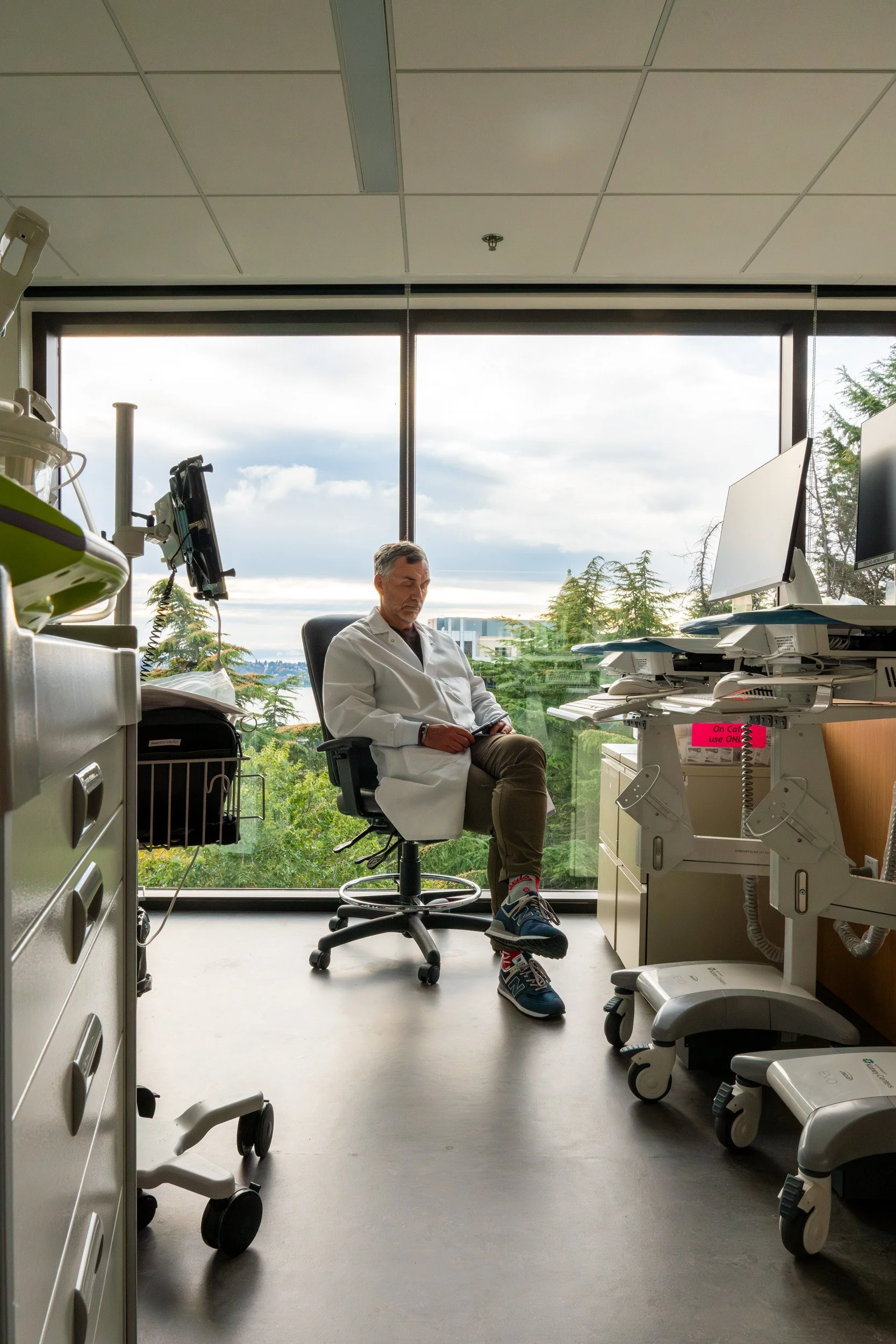
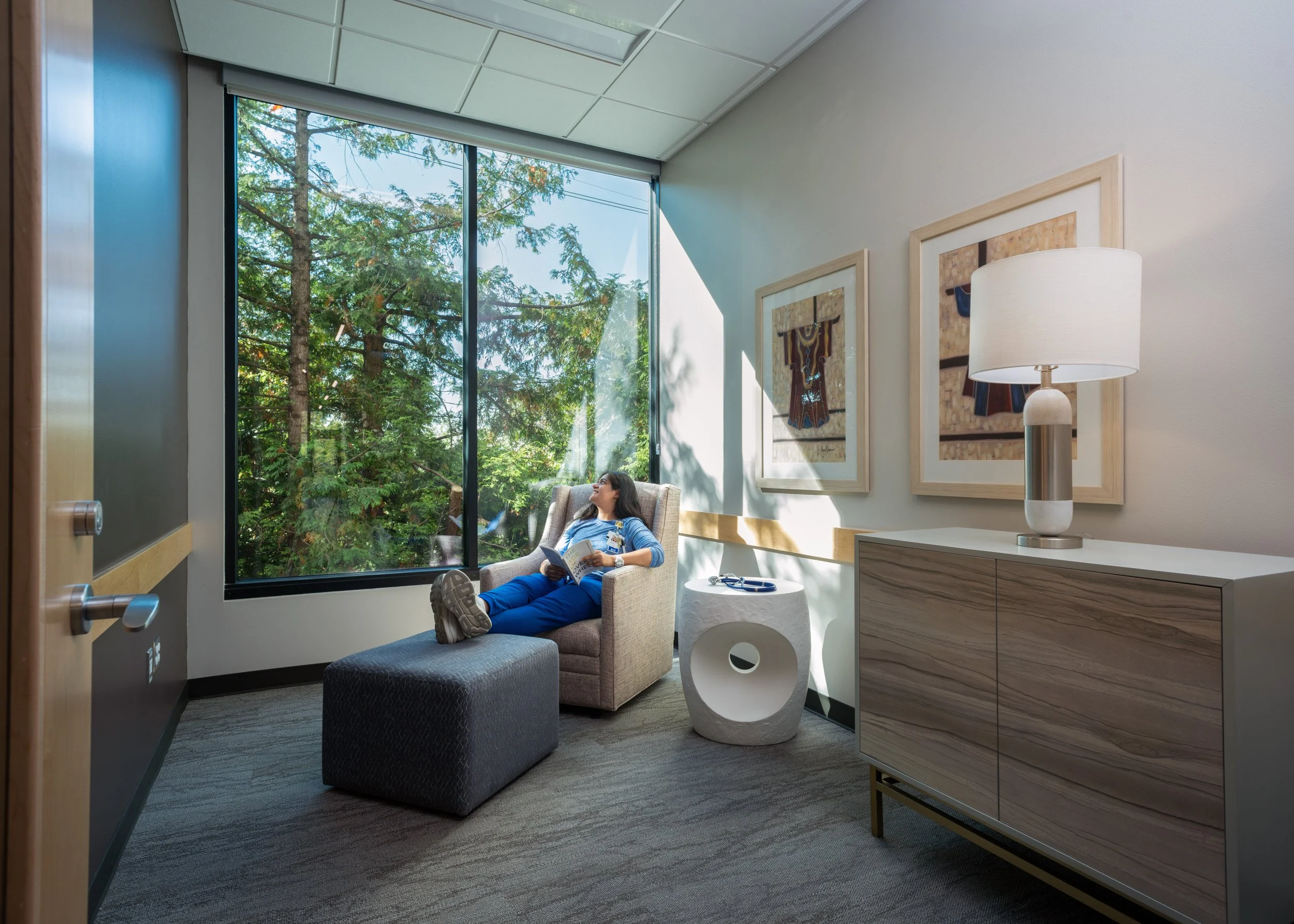
Sometimes what a room does to a person has nothing to do with what is inside it. In healthcare facility design, a view of trees, sky, or open light from a treatment chair or a recovery bed is not an accident. It is a deliberate design decision, and one of the most human ones a building can make. Biophilic design in clinical environments is not a trend. It is a response to what people need when they are at their most vulnerable.
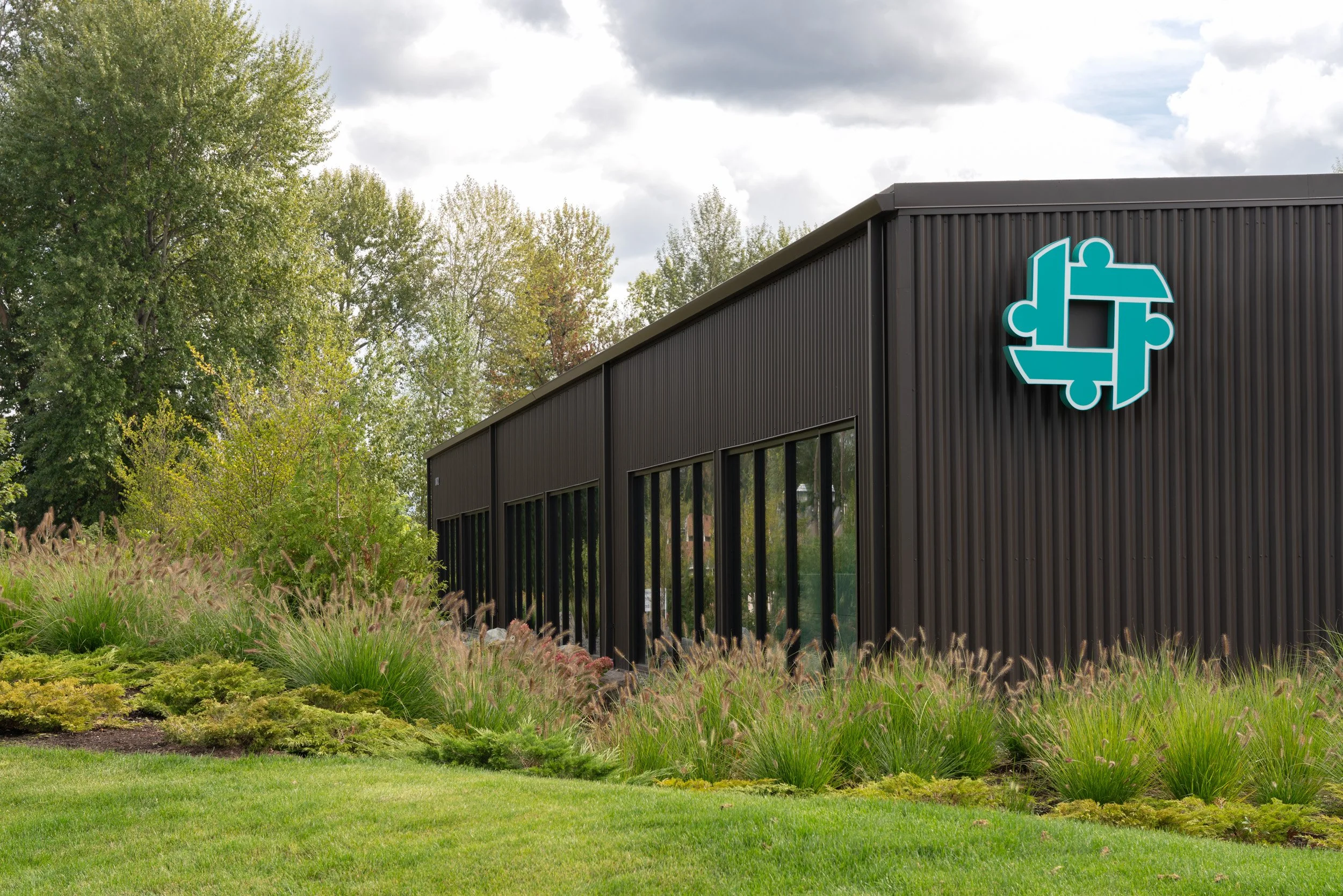
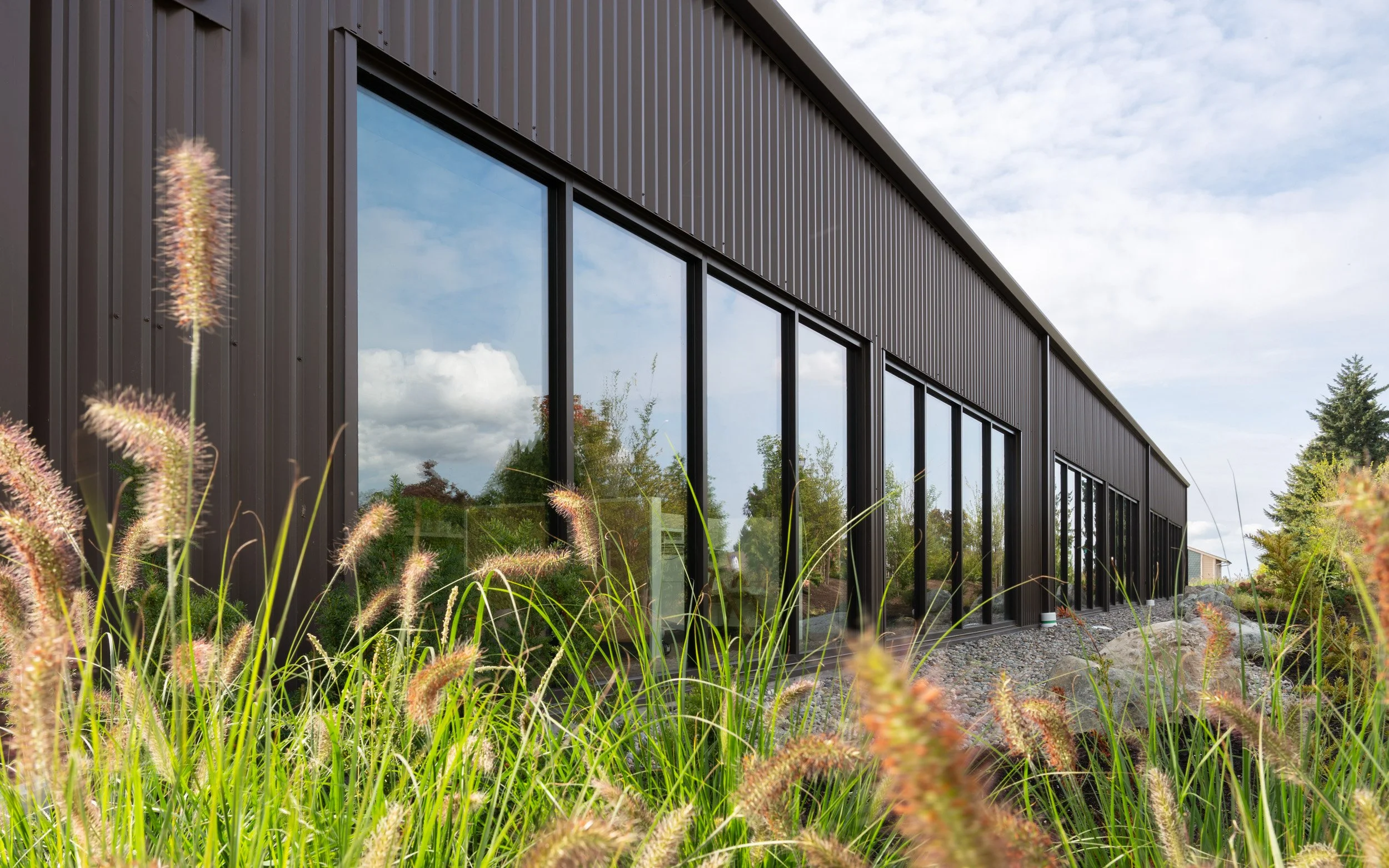
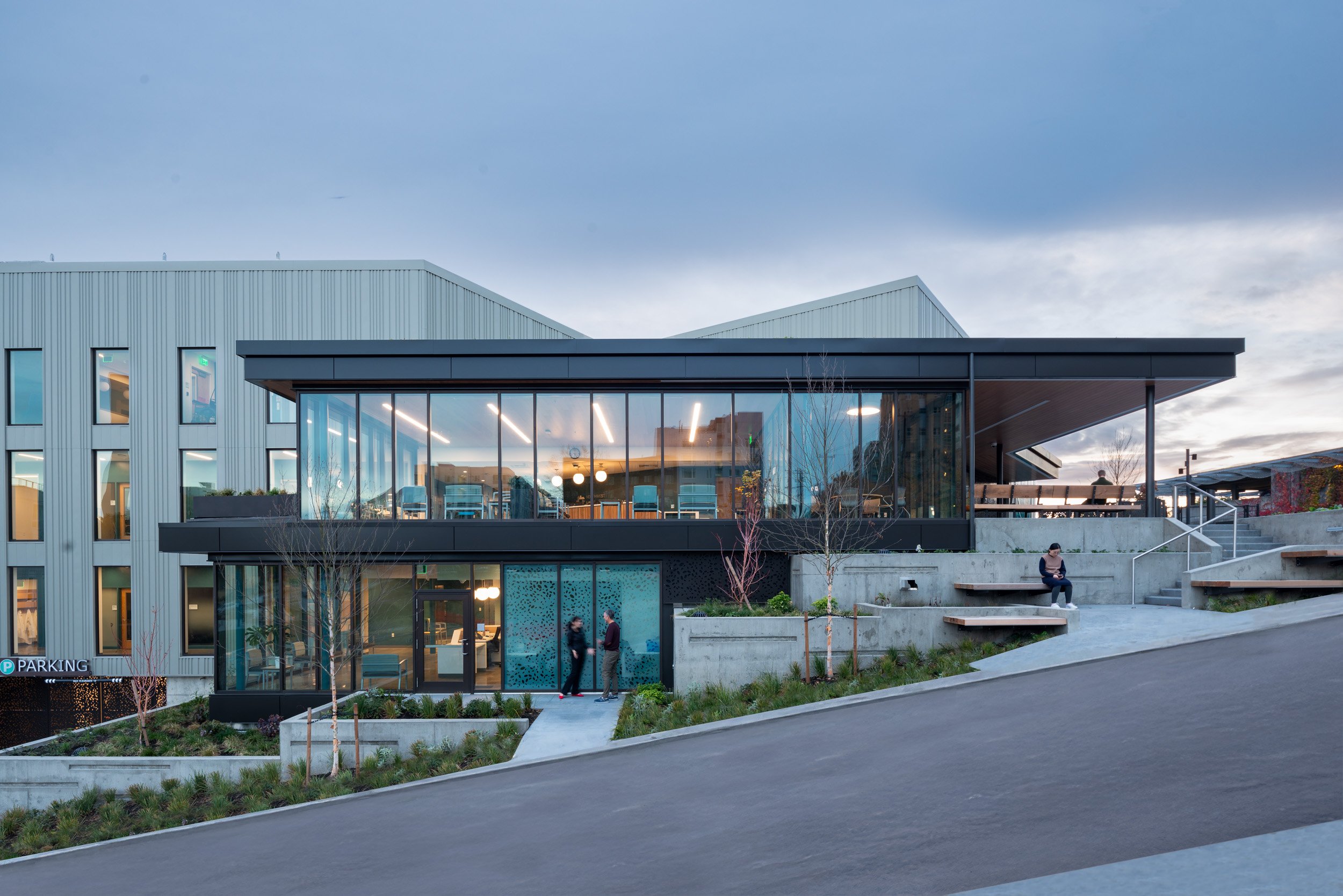
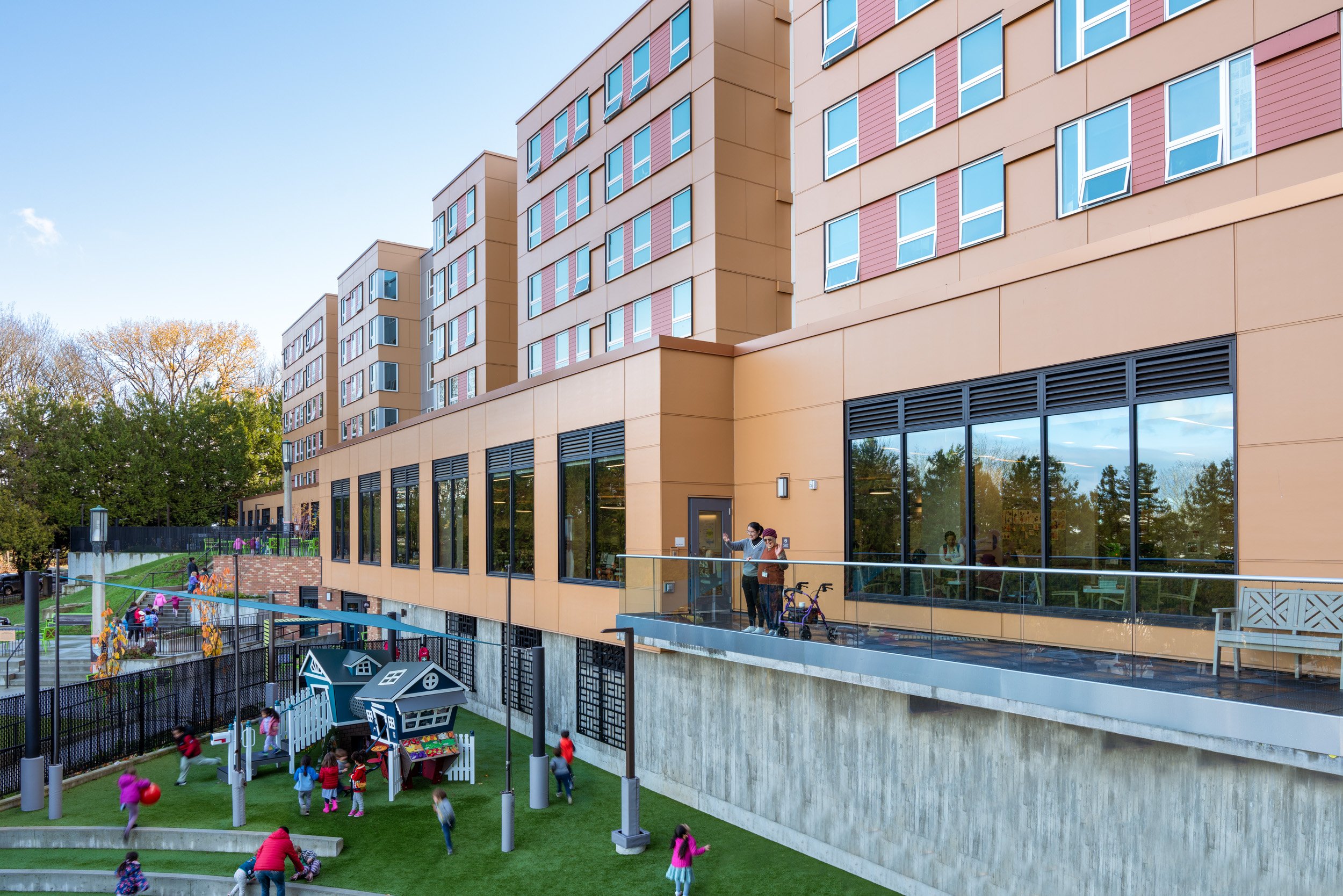
The same intention applies to how a healthcare building meets the outside world. The entrance, the approach, the moments where a patient steps from open air into care. These too are deliberate and can influence the wellbeing and psyche of an incoming or outgoing patient. Good healthcare architecture does not begin at the front door. Sometimes that connection reaches beyond the building itself, a balcony above a daycare, generations sharing the same outdoor space without a word exchanged.
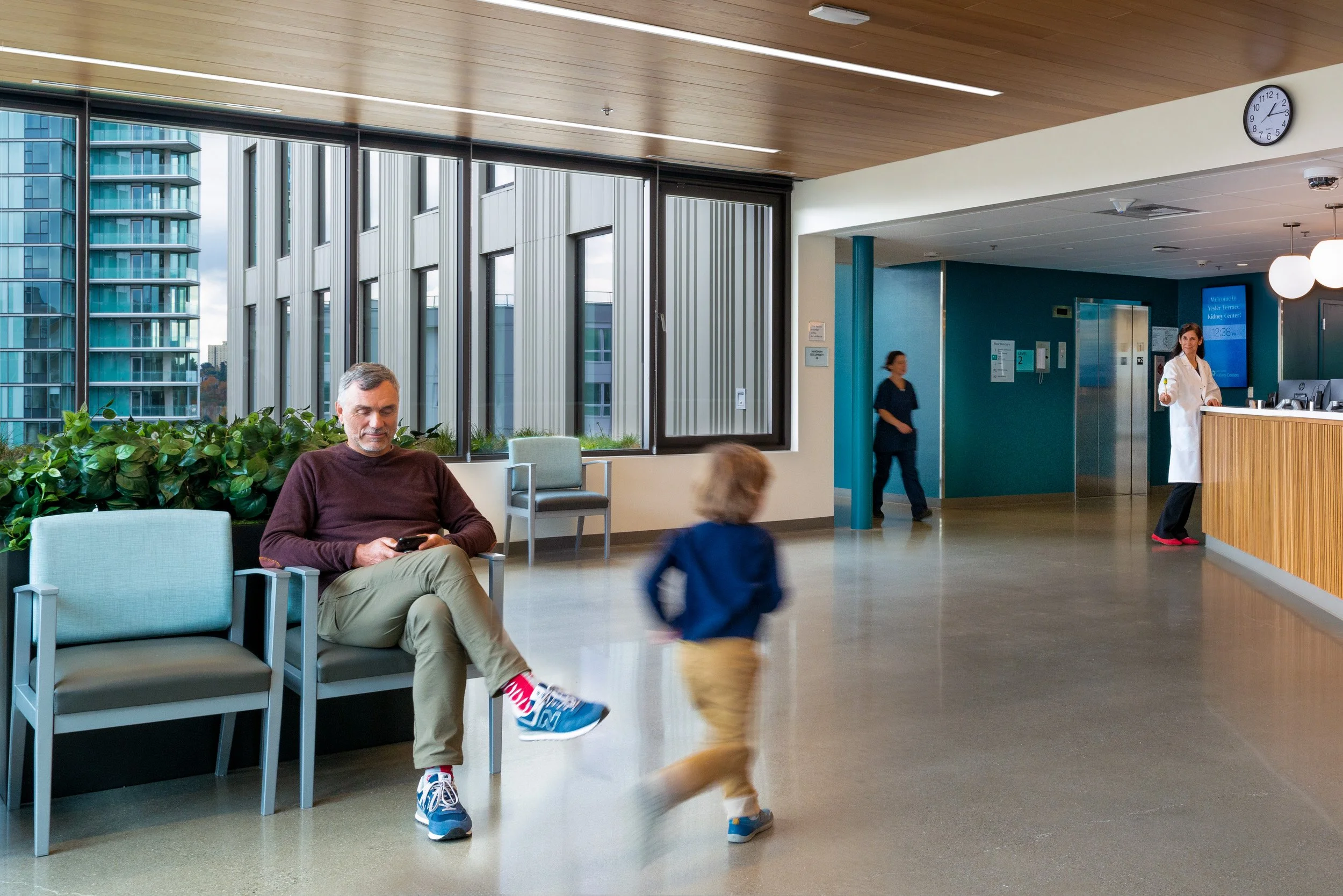
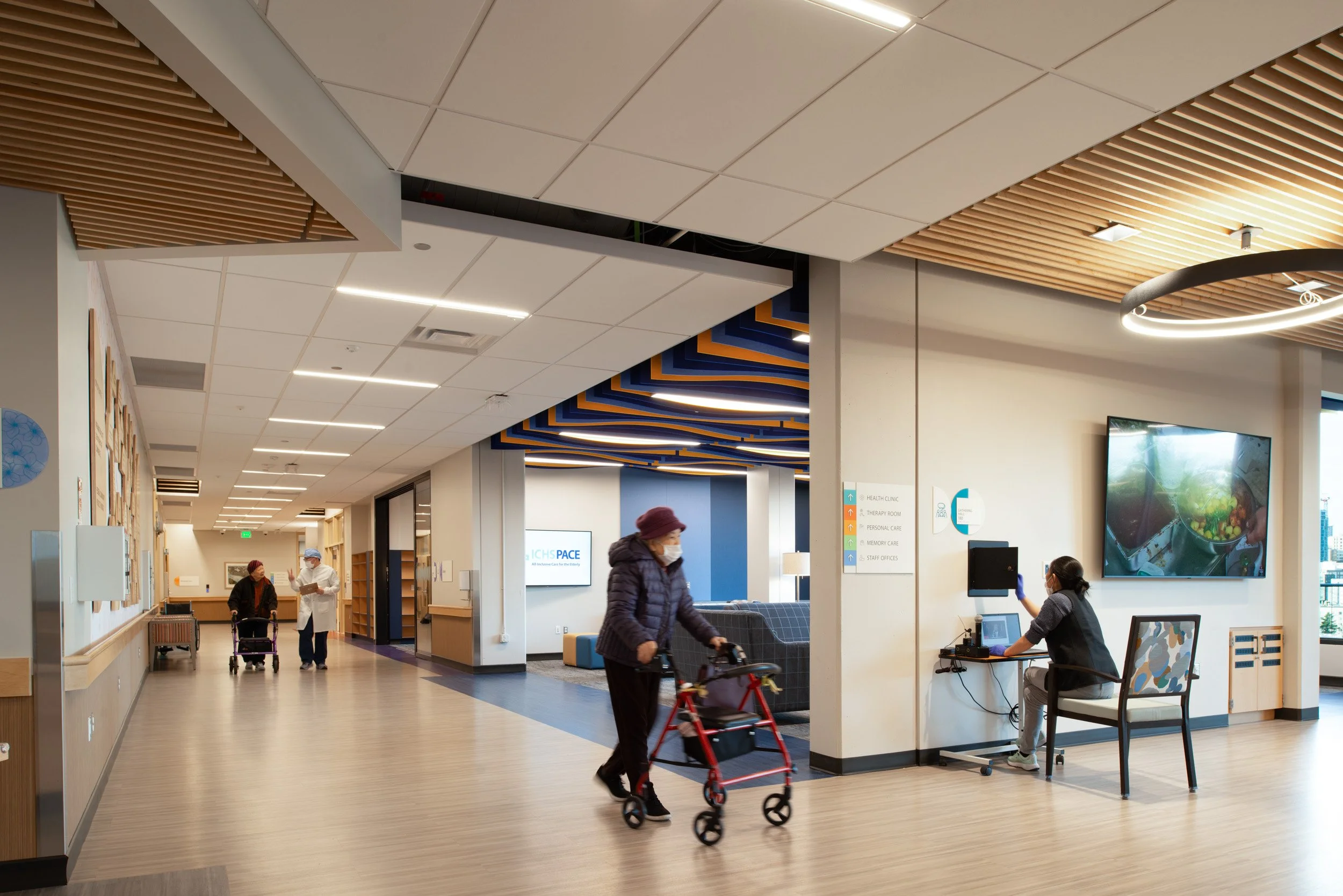
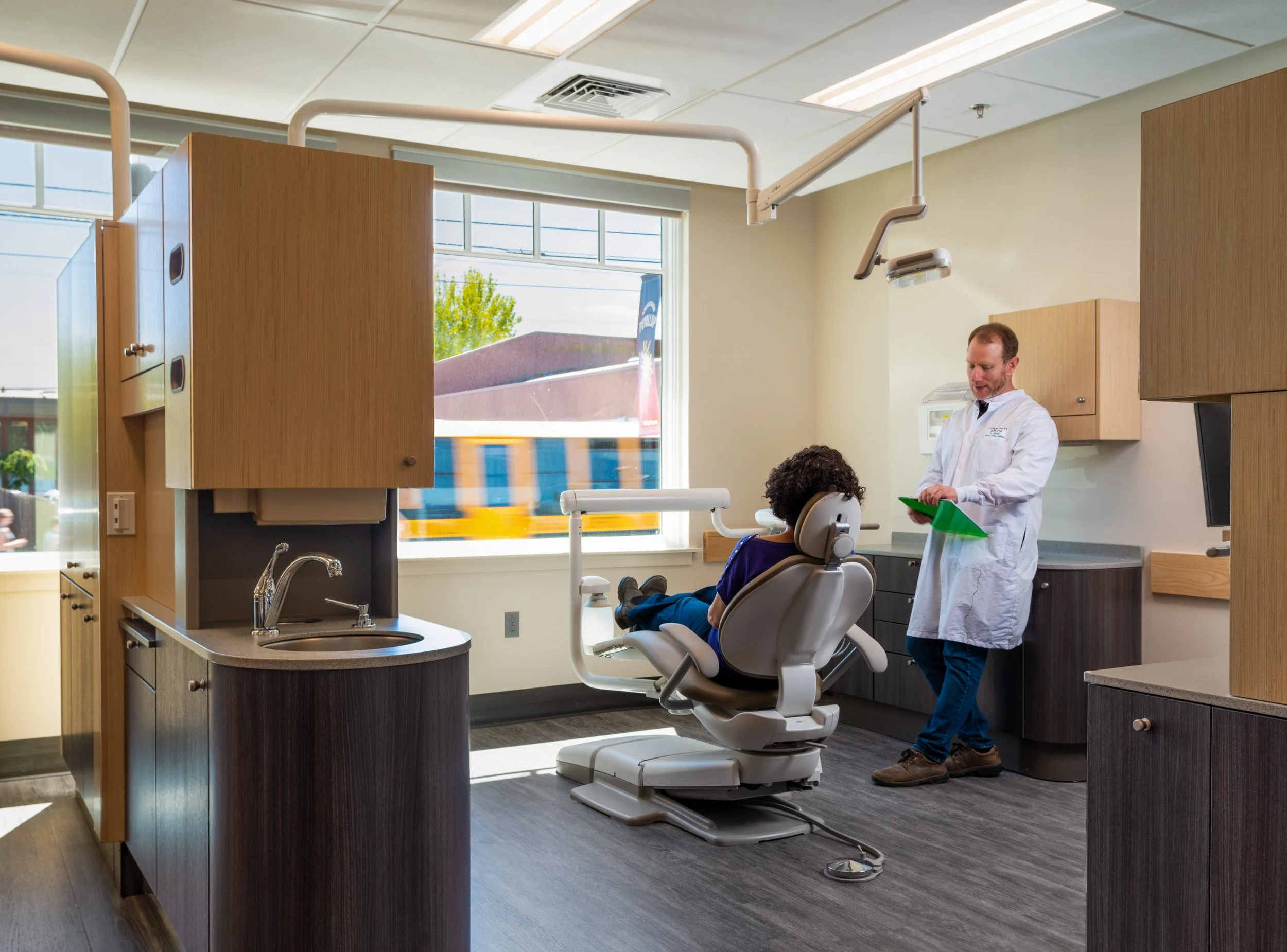
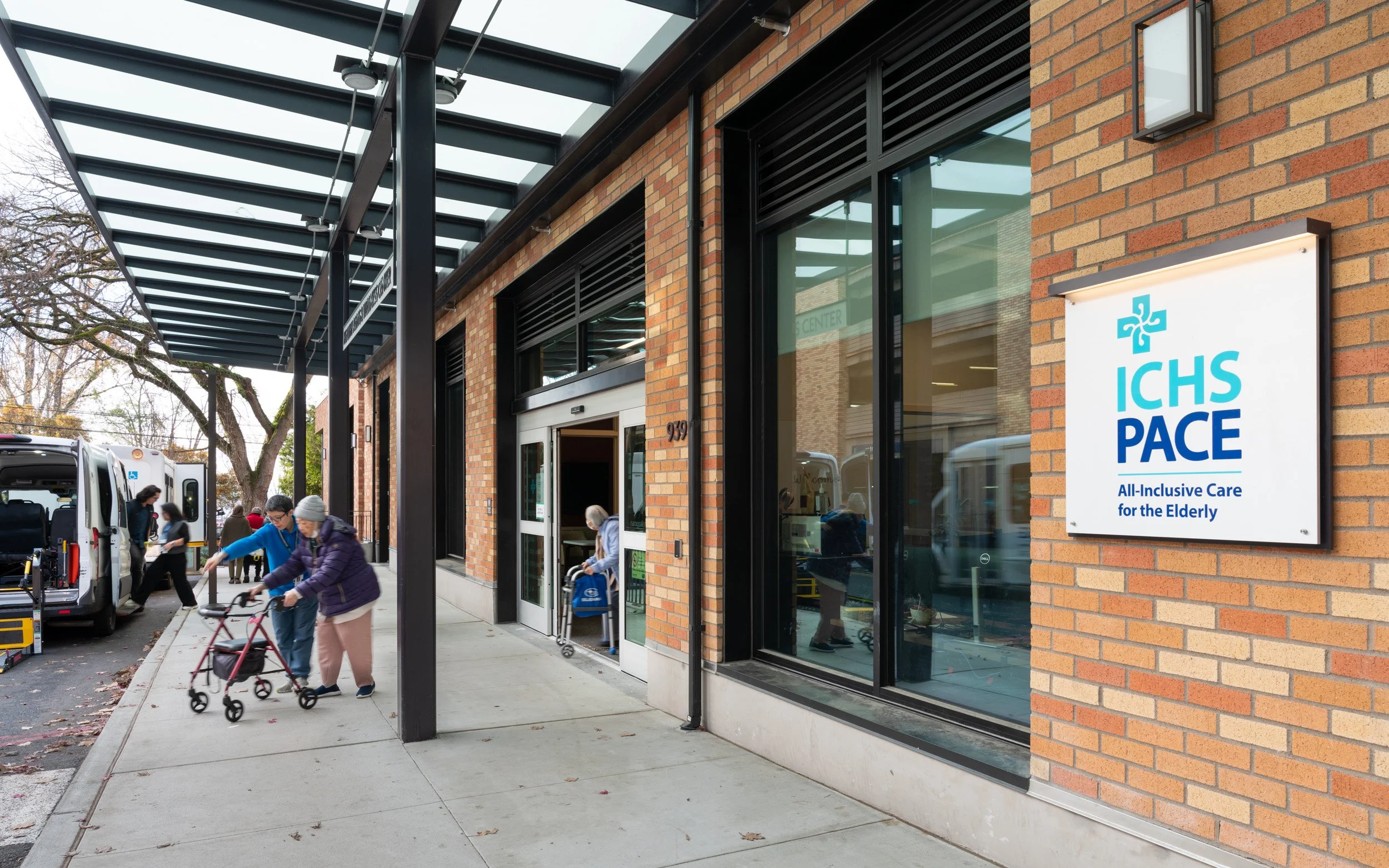
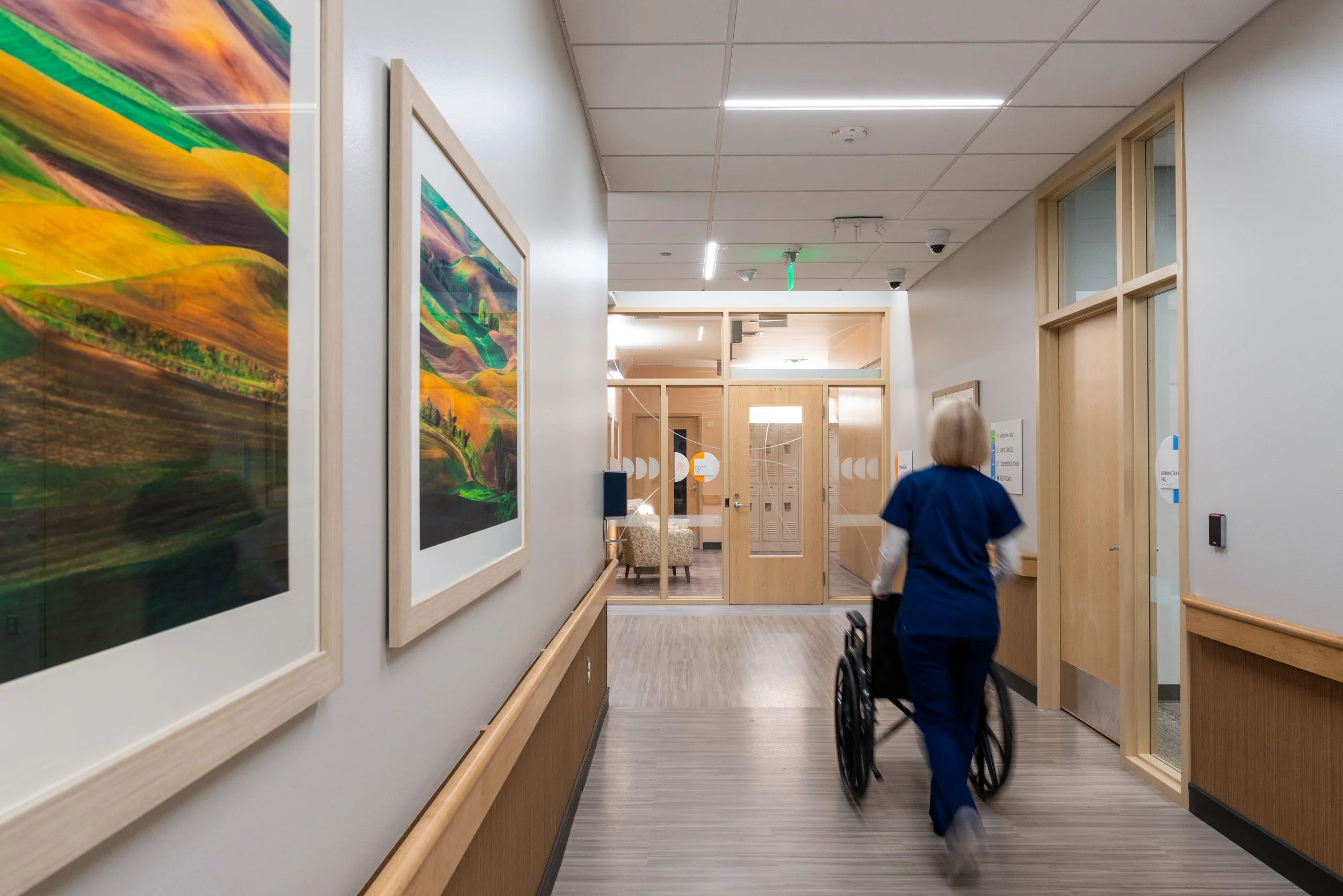
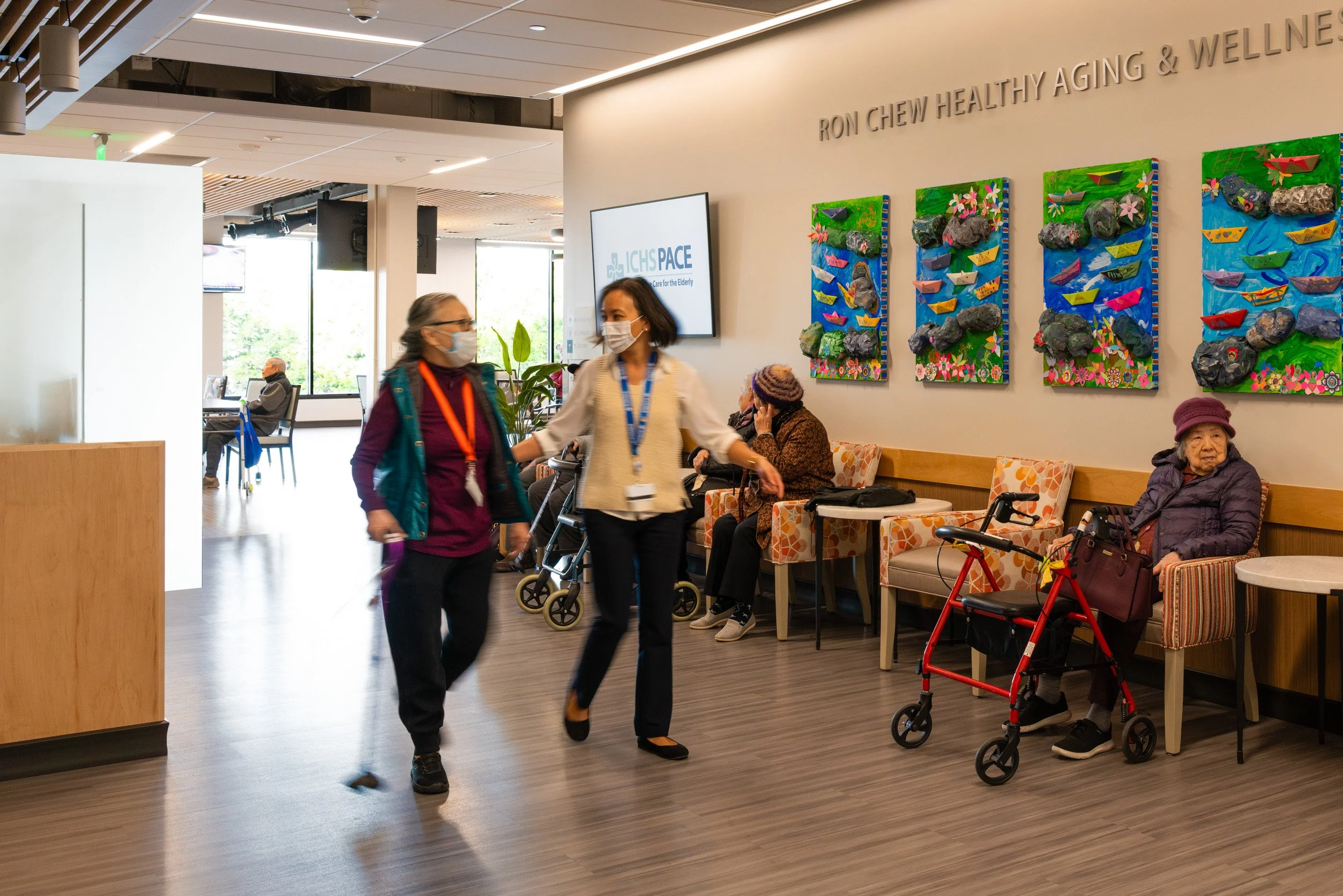
The people delivering care need these spaces as much as the people receiving it. In healthcare interior design the staff experience is inseparable from patient outcomes. Break rooms, quiet corridors, a window with a view. A nurse who can exhale between patients, a doctor who can collect their thoughts before walking into a difficult room. These are not amenities. They are part of how a building performs.
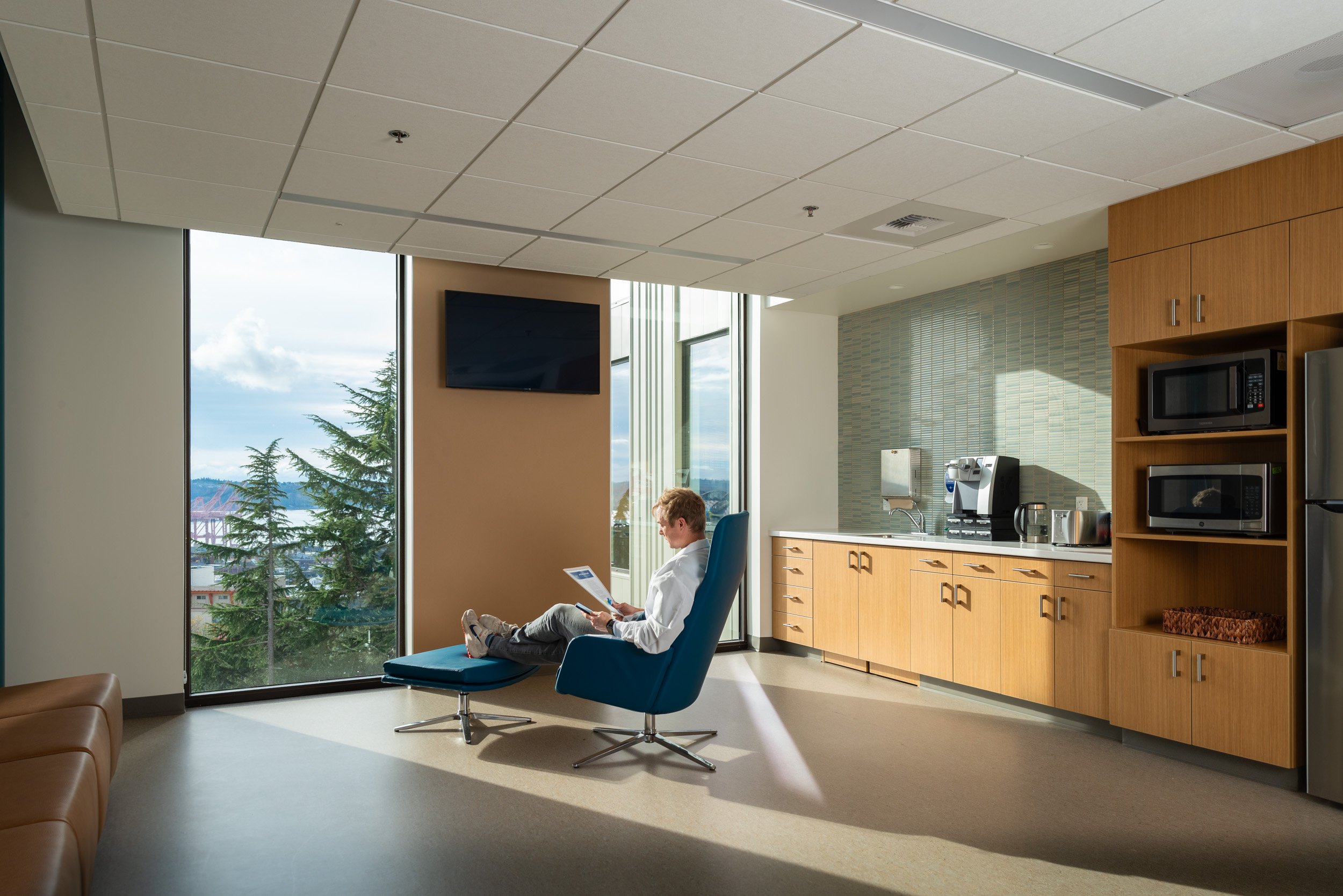
If you are working on a healthcare project and want photography that captures not just the architecture but the life happening inside it, the people, the moments, the details that show what the design was actually built to do, I would love to hear about it.
Projects Featured
Mahlum Architects — NW Kidney Centers, Yesler Terrace, Seattle
Mahlum Architects — NW Kidney Centers, Panther Lake, Kent
Miller Hayashi — Ron Chew Healthy Aging and Wellness Center